Research Focus Areas
Our SD Lab conducts research on AI & robotics across diverse scientific domains, including physics, chemistry, and biology.
Physical AI for Self-Driving Lab
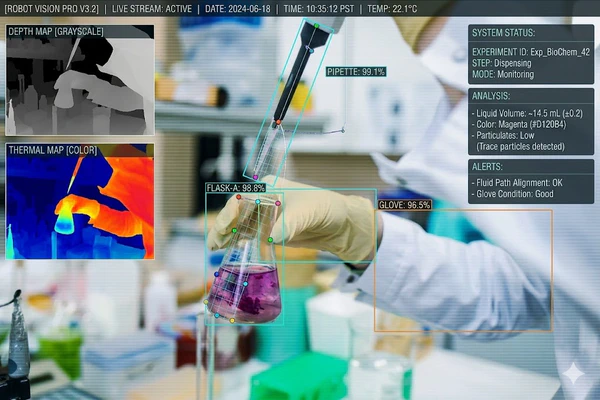
Robot Vision
Developing robot vision systems for tracking experimental processes and understanding temporal scene dynamics for decision-making.
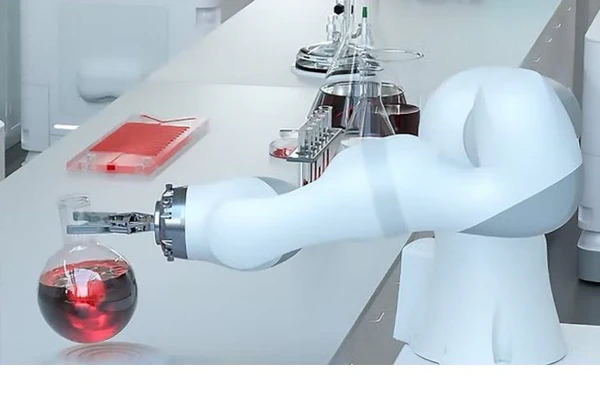
Dexterous Manipulation
Developing dexterous manipulation systems for handling samples, instruments, and reagents, thereby executing experimental protocols.
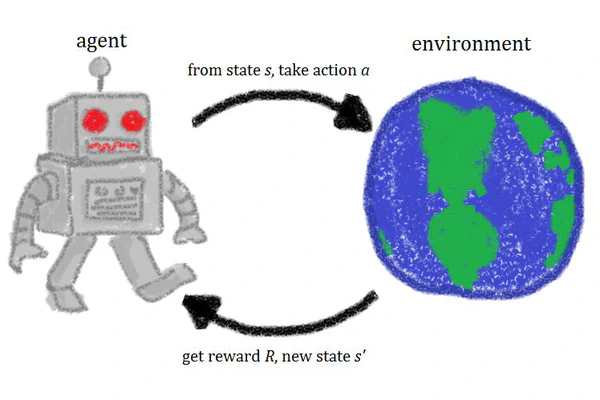
RL-based Optimization
Leveraging reinforcement learning to optimize experimental planning and parameter selection for dynamic and uncertain environments
AI for Physics & Semiconductor
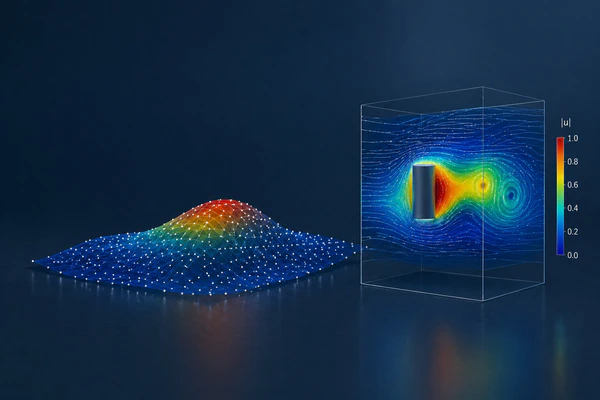
Physics-Informed Neural Networks
Designing machine learning models that embed governing equations and physical constraints for robust physical simulation and prediction.
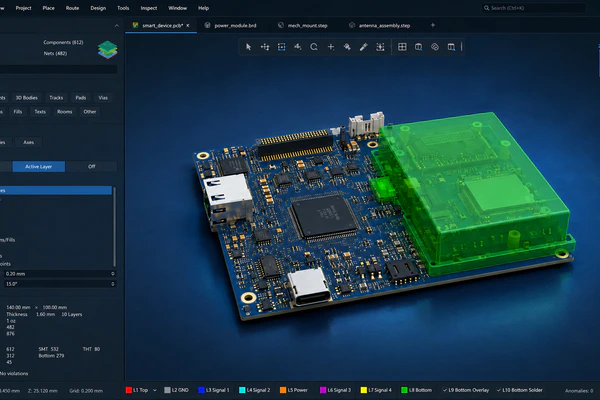
AI-Driven Semiconductor Design
Optimizing electronic design automation (EDA) workflows to enhance analog circuit design, layout quality, and overall chip performance.
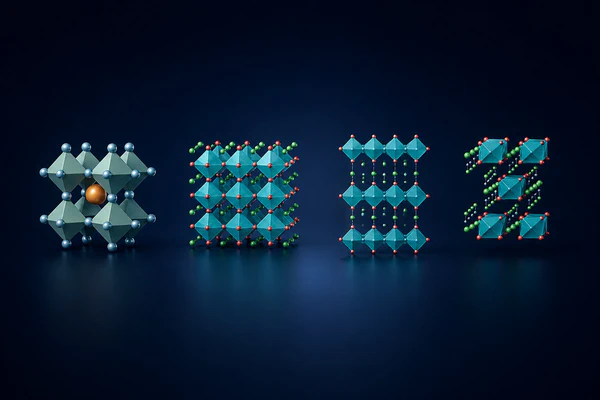
Semiconductor Material Discovery
Accelerating the discovery of next-generation semiconductor materials by predicting material properties and exploring composition spaces.
AI for Chemistry
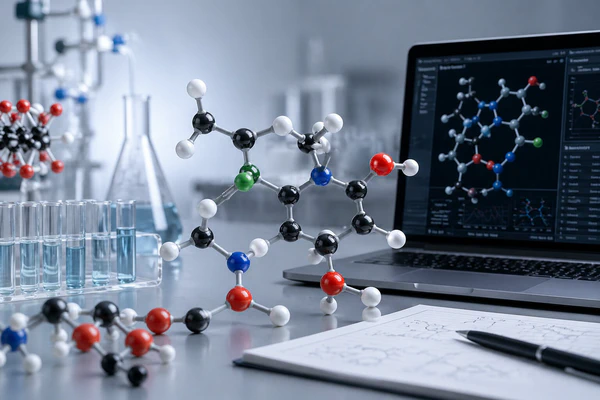
Molecular Representation Learning
Learning expressive embeddings for molecules and reactions to support property prediction, retrieval, and reaction mechanism reasoning.
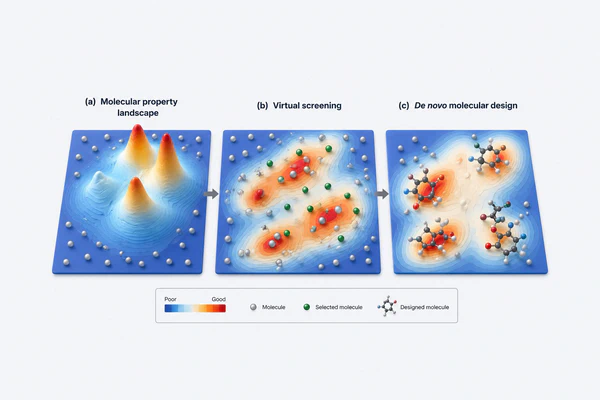
Generative Molecular Design
Developing generative models and search strategies for discovering candidate molecules with targeted physical and chemical properties.
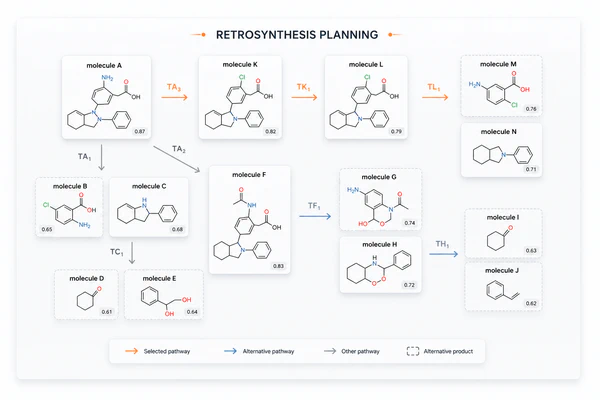
Reaction and Synthesis Planning
Optimizing reaction pathways, retrosynthesis, and autonomous chemical experimentation to enable data-driven synthesis planning.
AI for Biology
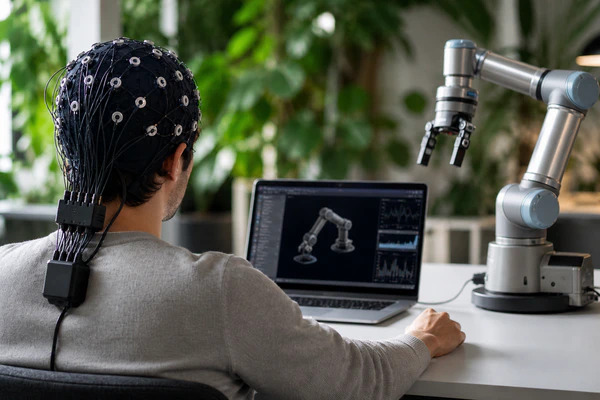
Brain-Computer Interface
Decoding neural activity to translate brain signals into control commands for assistive robotic systems and neurorehabilitation.
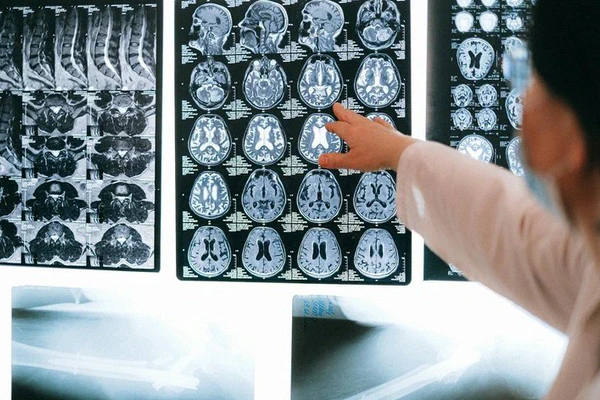
Brain Disease Diagnosis
Diagnosing neurodegenerative diseases such as Alzheimer’s and Parkinson’s by analyzing brain signals, imaging data, and clinical biomarkers.
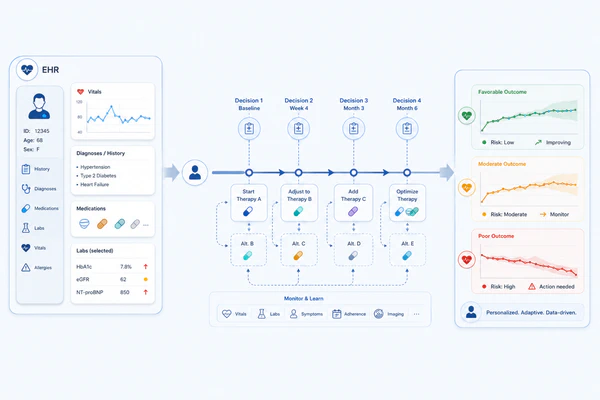
Adaptive Treatment Strategies
Personalizing treatment decisions by modeling patient trajectories, predicting therapeutic responses, and optimizing policies over time.
AI for Earth Science
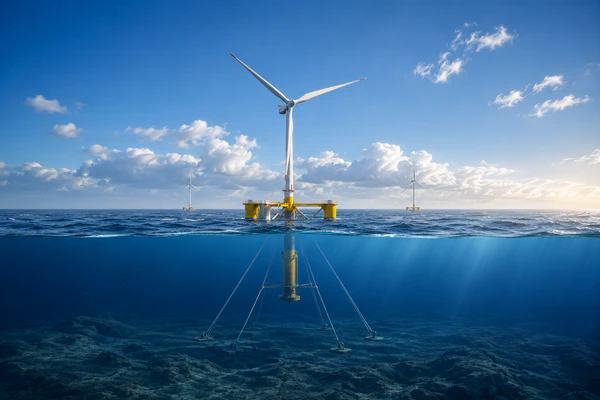
Wind Farm Control
Optimizing wind farm operations by modeling turbine wakes and environmental conditions to improve renewable wind energy production.
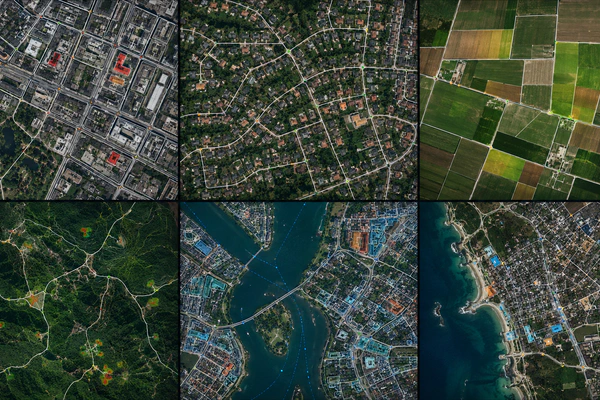
Satellite Image Analysis
Analyzing satellite imagery with AI to support data-driven decision making for earth climate, agriculture, disasters, and urban development.
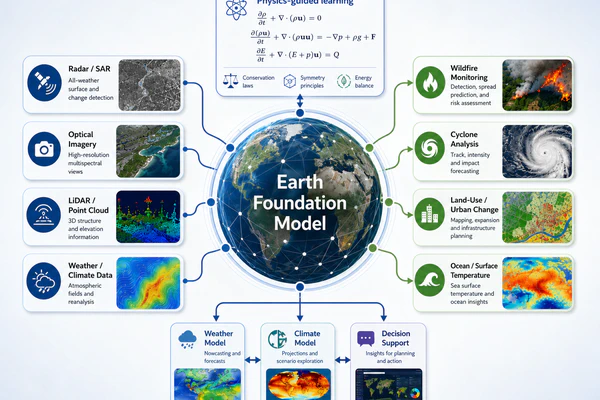
Earth Foundation Model
Developing foundation model for earth systems by integrating geospatial, atmospheric, oceanic, and climate data for planetary-scale prediction.
Updates